 Healthcare & Labor
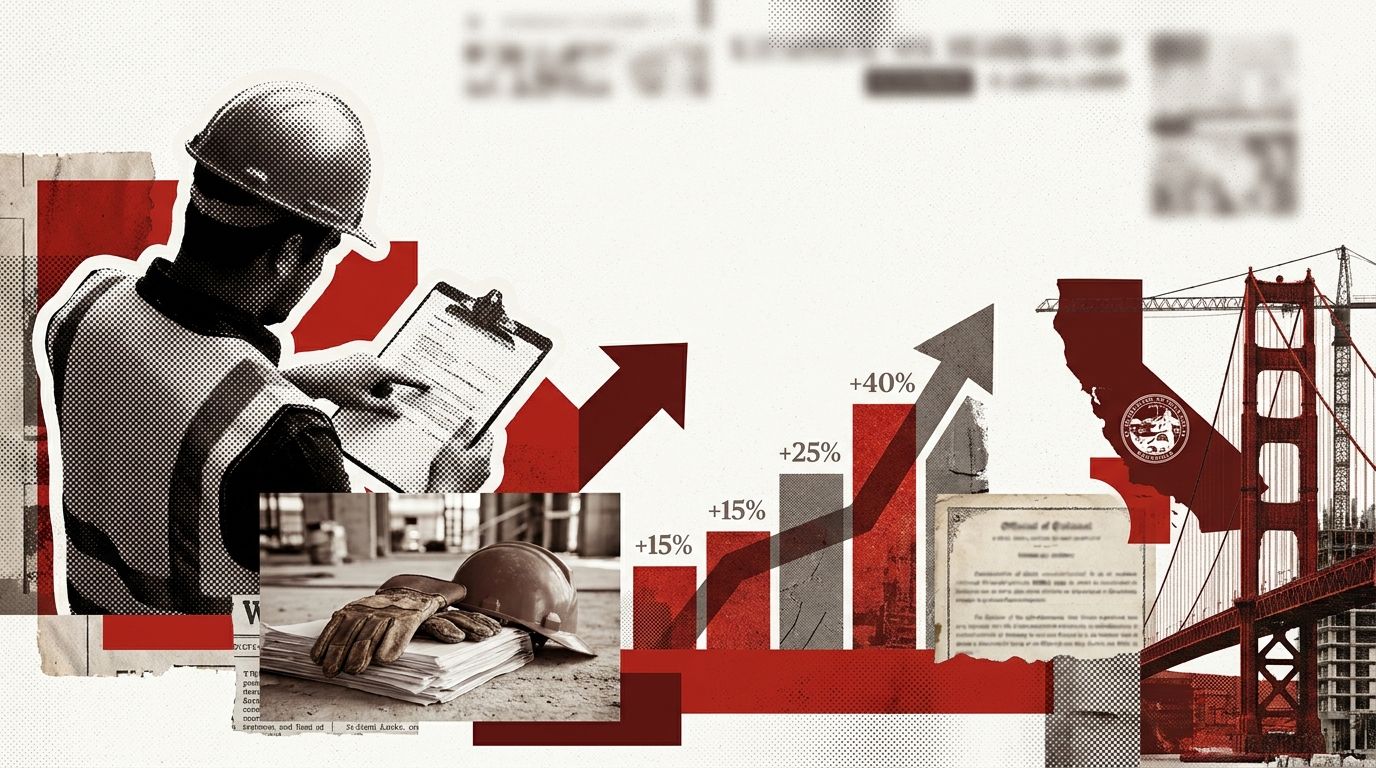
Prevailing wage for California is the legally mandated minimum hourly compensation, base pay plus fringe benefits, that every worker on a qualifying public works project must receive, as determined by the Director of the Department of Industrial Relations (DIR).
 Union Organizing
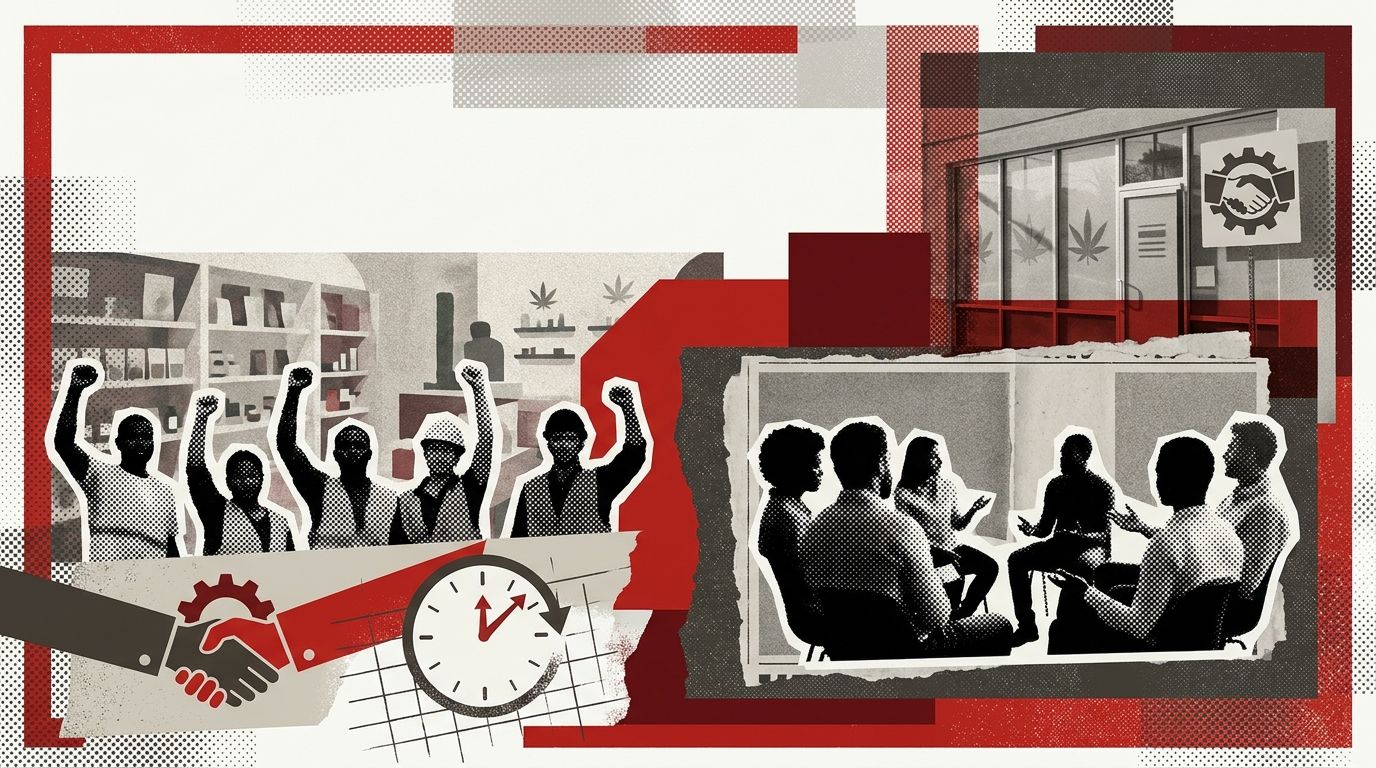
Eleven employees at a Greenlight Dispensary in Springfield, Missouri, were terminated in late September 2026 after meeting to discuss unionization, according to statements the workers gave to local media.
 Healthcare & Labor
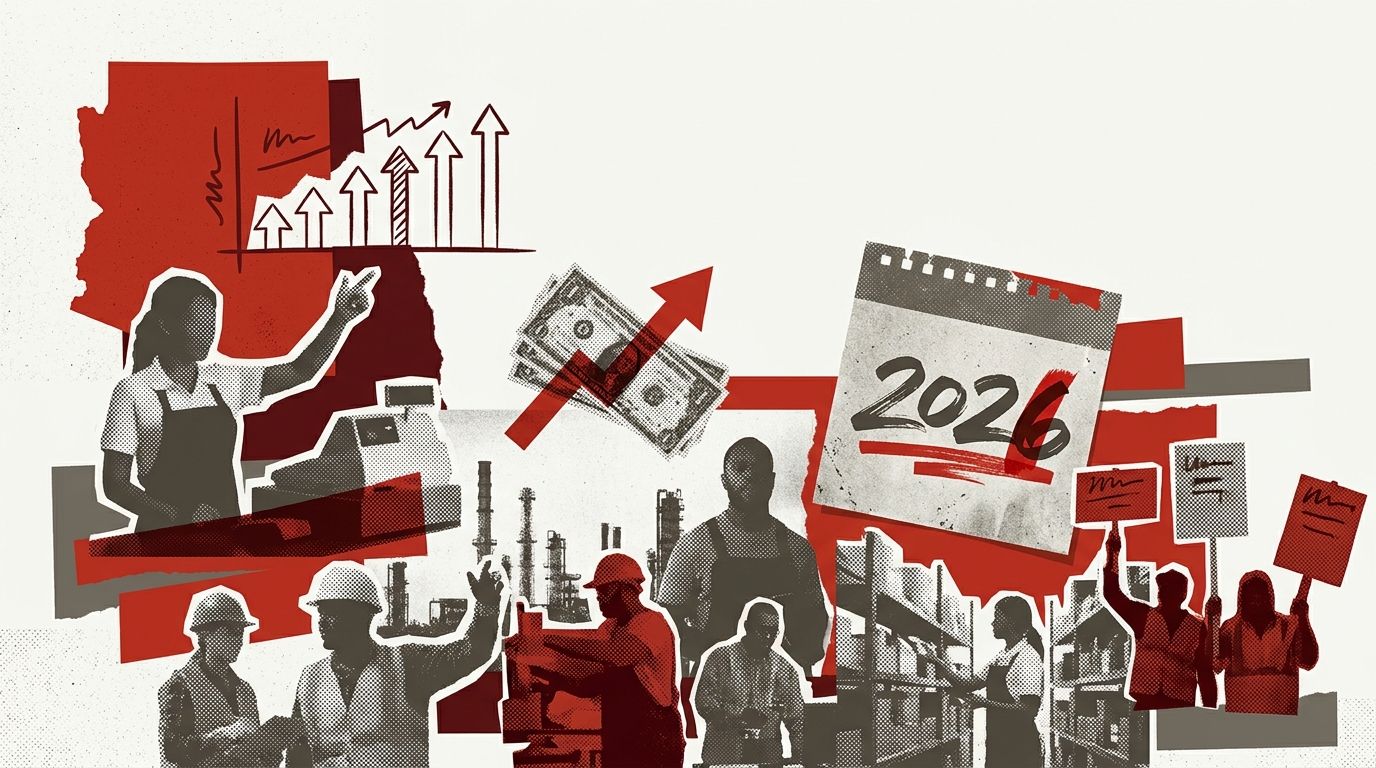
Proposition 206, the ballot initiative Arizona voters passed in 2016, built an automatic escalator into state law: each year, the minimum wage adjusts based on Consumer Price Index changes. That formula pushed the az minimum wage 2026 rate to $15.15 per hour on January 1, a $0.45 increase from $14.
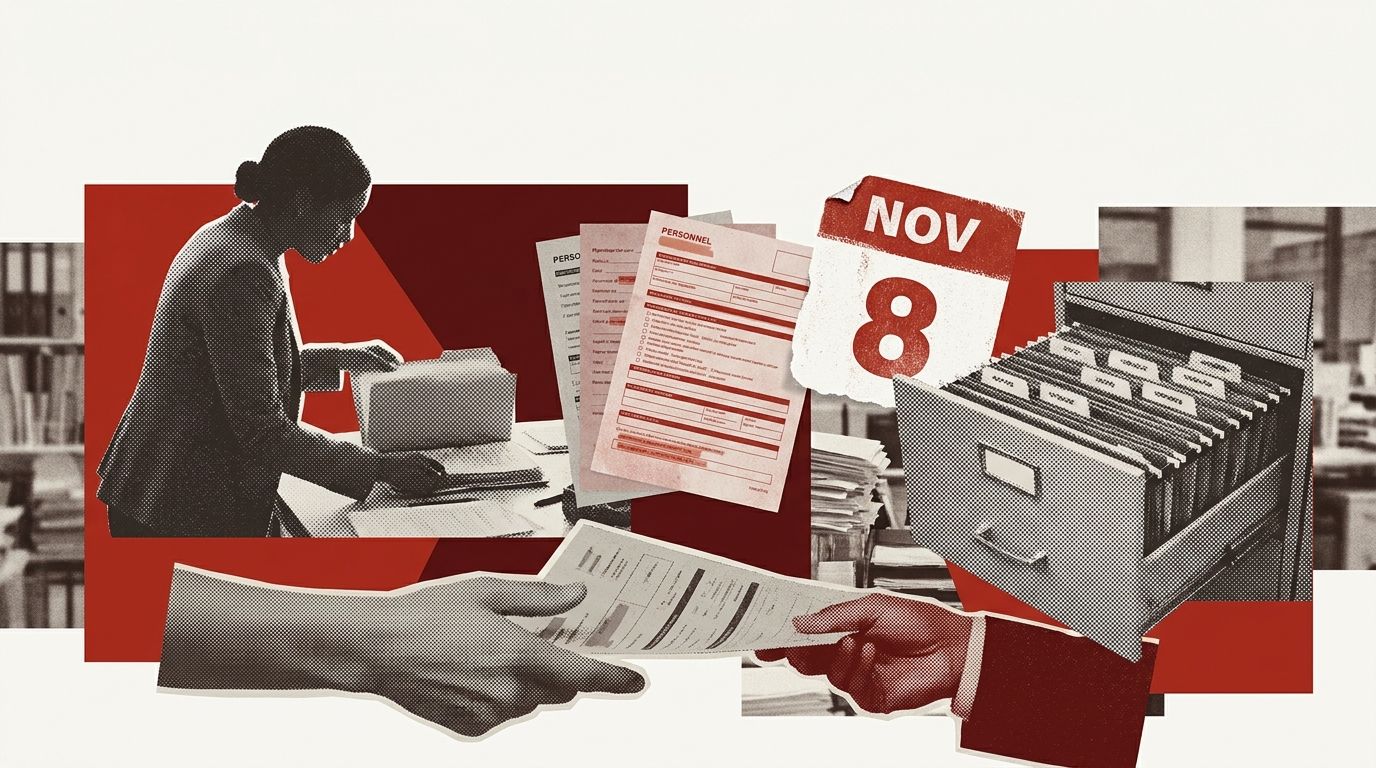
Governor Kathy Hochul signed legislation on September 30, 2026, requiring all New York employers to grant current and former employees the right to inspect, copy, and dispute their personnel files, according to Ballard Spahr LLP.
 Civil Rights at Work
The Workers Rights Consortium (WRC) is an independent labor rights monitoring organization that investigates factory conditions across 24 countries, enforcing codes of conduct that universities adopt for goods bearing their logos.
 Civil Rights at Work
New York's minimum wage operates through a three-layer structure: a regional hourly floor ($17.00 downstate, $16.00 upstate as of January 1, 2026), a set of sub-rates for tipped and salaried workers, and starting in 2027, an automatic inflation-indexing formula.
 Civil Rights at Work
The minimum wage in Los Angeles is $17.28 per hour for workers within city limits, effective July 1, 2024. That rate comes from a city ordinance layered on top of California's $16.00 statewide floor and the federal minimum of $7.
Bank workers represented by the United Forum of Bank Unions launched a three-day nationwide strike on September 28, 2026, demanding that all Saturdays be declared holidays as part of a five-day banking schedule, according to The Economic Times.
 Workers & the Economy
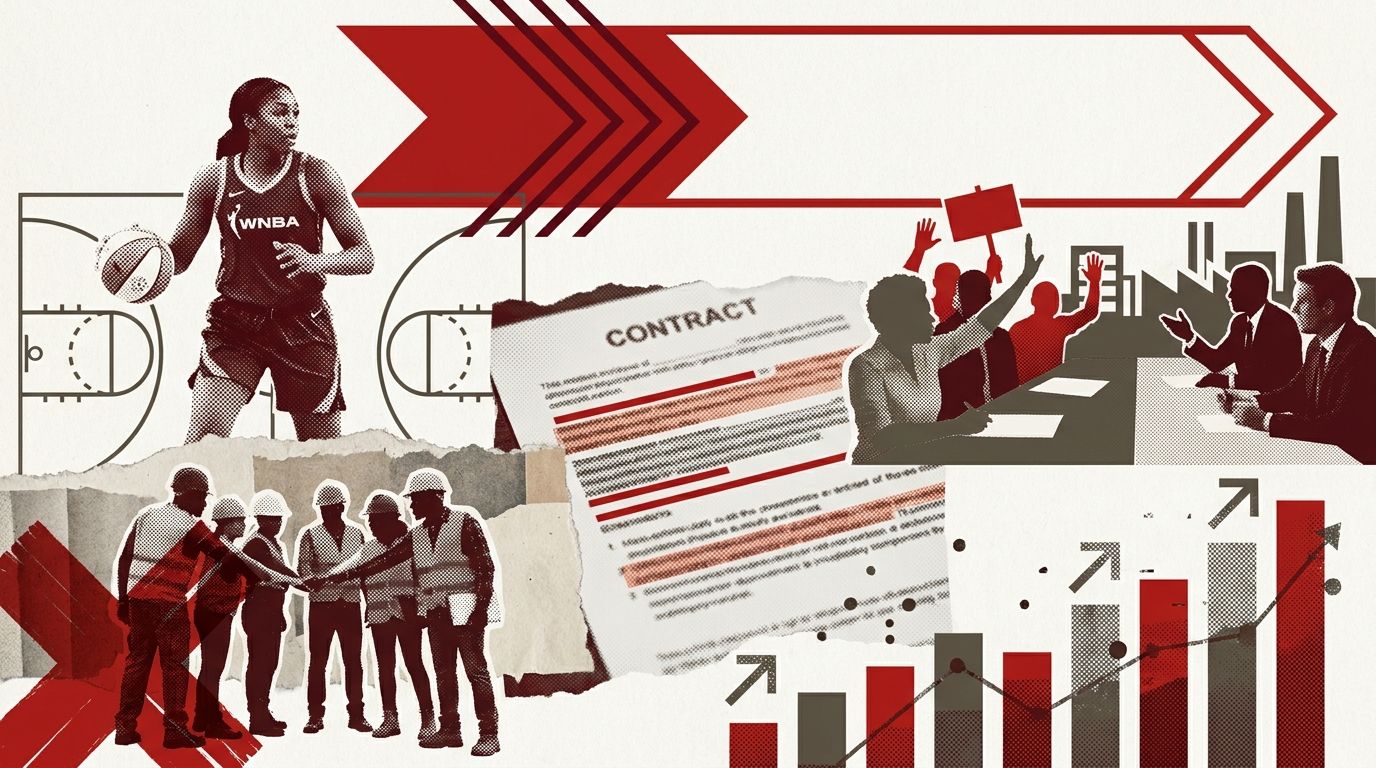
The WNBA collective bargaining agreement is a seven-year labor contract between the league and the Women's National Basketball Players Association (WNBPA) that sets salaries, working conditions, and player rights for every athlete on a WNBA roster.


 Workplace Safety