
UK Government Analysis Shows Zero-Hours Reforms Could Cost Employers Up to £2.9bn Annually
The UK government released analysis Wednesday showing Labour's zero-hours contract reforms could cost businesses between £350 million and £2.

UK Government Analysis Shows Zero-Hours Reforms Could Cost Employers Up to £2.9bn Annually
The UK government released analysis Wednesday showing Labour's zero-hours contract reforms could cost businesses between £350 million and £2.9 billion per year, depending on where officials set the hours threshold that triggers guaranteed work requirements, according to official documents published alongside a consultation. The middle estimate puts the annual cost at £1.1 billion.
Skills Minister Baroness Jacqui Smith defended the reforms as necessary to ensure workers are "fairly paid," while business groups called the costs "disproportionate" to the worker benefits. The policy will reduce the number of hours staff can work under zero-hours arrangements before employers must offer guaranteed time.
Cost Breakdown and Economic Impact
The analysis shows approximately £1.2 billion in costs would come from businesses paying workers compensation for cancelled shifts at the upper estimate. Government officials wrote that the reforms could provide a £10 billion boost to the economy through better wellbeing and productivity, lowering the net average cost to between £300 million and £1.4 billion.
The total cost depends on which workers the policy ultimately covers. If the threshold reaches 48 hours per week, as some unions have called for, costs will hit the upper estimates. The government's preferred range falls between 8 and 20 hours per week, which would produce costs far below the £2.9 billion ceiling.
Official analysis acknowledged "potential trade-offs" including increased administrative costs and reduced flexibility for companies, making it "harder for employers to respond to changes in demand." The document stated overall cost figures do not capture the full range of benefits because they are "not possible to monetise."
Industry and Union Response
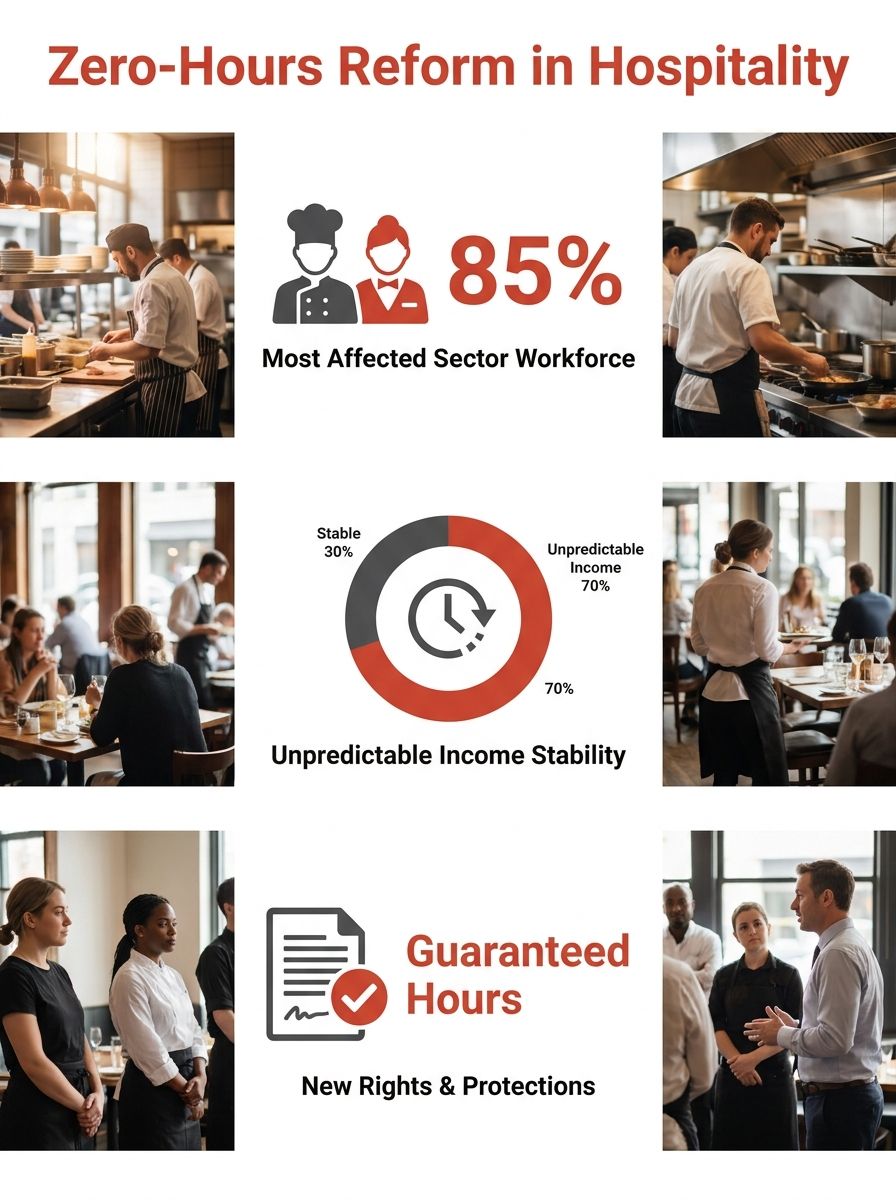
Hospitality and retail companies, which rely heavily on zero-hours workers, would face the largest impact from the changes. Helen Dickinson, chief executive of the British Retail Consortium, questioned whether the reforms would "actually deliver value for workers" given the cost to businesses. She added that retailers would pay "hundreds of millions of pounds" to update payroll systems.
Kate Shoesmith, director of policy at the British Chambers of Commerce, called the costs "a further hammer blow" for struggling companies. "We are already facing a youth unemployment crisis – now is not the time to make it even more costly for employers to hire," Shoesmith said.
A spokesperson for the Trades Union Congress said most extra costs would only materialize if businesses cancelled workers' shifts at the last minute. "The aim of this legislation is to stop this practice and give variable hours workers security and stability - so good employers have nothing to fear," the TUC said.
Charlotte Brumpton-Childs, GMB national secretary, called zero hours contracts "archaic," adding that businesses were "of course … going to grumble" about the policy.
Workforce Data and Consultation Timeline
The number of people on zero-hours contracts reached a record 1.23 million last December, a 91,000 annual increase, according to official data. The government released the analysis as part of a consultation into where the hours threshold should be set.
Baroness Smith told Sky News the government will "look very carefully" at how it implements the changes. "I don't think it's fair for somebody to be on a contract where they literally don't know whether or not they're going to be working at all, and yet they're bound by that contract," Smith said.
The consultation will determine the final threshold, with the government weighing union calls for broader coverage against business concerns about compliance costs and operational flexibility.
Context and Outlook
The cost analysis arrives as Labour pushes forward its broader workers' rights package, which includes expansions to sick pay and parental leave. The zero-hours reforms represent one of the most direct interventions in employment contracts, forcing employers to guarantee hours for workers who exceed the threshold regularly. The £10 billion productivity estimate suggests officials are banking on reduced worker anxiety and turnover to offset compliance costs, though business groups dispute whether those gains will materialize at the projected scale.
The consultation outcome will set the practical scope of the policy. An 8-hour threshold would cover nearly all regular zero-hours workers; a 20-hour threshold would exclude many part-time retail and hospitality staff. Union pressure for a 48-hour ceiling would effectively eliminate zero-hours contracts for anyone working more than six shifts per week, restructuring scheduling practices across entire sectors. The government's final decision will determine whether the reform delivers the security advocates envision or the cost shock employers fear.
The Union Edge Staff
Related Articles

UK Government Eliminates Cap on Paid Union Time for Civil Servants in Framework Overhaul
The United Kingdom has removed the cap on paid time civil servants can dedicate to union activities and duties, allowing union representatives to spend up to half their working hours on trade union work while remaining on the government payroll, according to the Daily Mail. The shift eliminates the

LaborLab Releases Tools to Track Union-Busting Campaign Costs as Employers Evade Disclosure Law
LaborLab, a workers' rights watchdog organization, released a search tool and cost estimator on September 8 designed to expose the spending patterns of the $1.7 billion union-busting industry, according to The American Prospect.

Victoria Set to Pass Australia's First Work-From-Home Rights Law Amid Business Opposition
Victoria's parliament is expected to pass legislation this week establishing a statutory right for employees to work from home up to two days weekly, making it the first Australian state to guarantee remote work access despite fierce opposition from major business groups threatening legal challenges
Also in the paper