
ILO Adopts First International Treaty on Gig Worker Protections
The International Labour Organization adopted the first international treaty addressing gig economy worker protections on June 12, 2026, at its annual conference in Geneva, according to The Economic Times. The convention extends labor protections to platform workers in food delivery, ride services,

ILO Adopts First International Treaty on Gig Worker Protections
The International Labour Organization adopted the first international treaty addressing gig economy worker protections on June 12, 2026, at its annual conference in Geneva, according to The Economic Times. The convention extends labor protections to platform workers in food delivery, ride services, and other digital platform sectors regardless of employment classification. Conference president Juan Castillo gaveled the measure through after securing approval from the ILO's tripartite membership structure of governments, employers, and workers.
The World Bank estimated in 2023 that 435 million online gig workers operate globally, most falling outside traditional labor protections. The treaty marks the first coordinated international response to employment practices that have outpaced regulatory frameworks across jurisdictions.
What the Convention Covers
The convention applies to all platform workers regardless of how companies classify them. Digital platforms control work through algorithms that assign tasks, set pay rates, evaluate worker performance, and terminate accounts, according to the treaty text. Most platforms classify these workers as independent contractors rather than employees, allowing companies to bypass minimum wage requirements, workplace safety standards, and social security obligations in many jurisdictions.
The treaty establishes mandatory protections including minimum wage coverage, workplace safety standards, and access to social security systems. Member states that ratify the convention must bring domestic labor law into compliance within specified implementation periods.
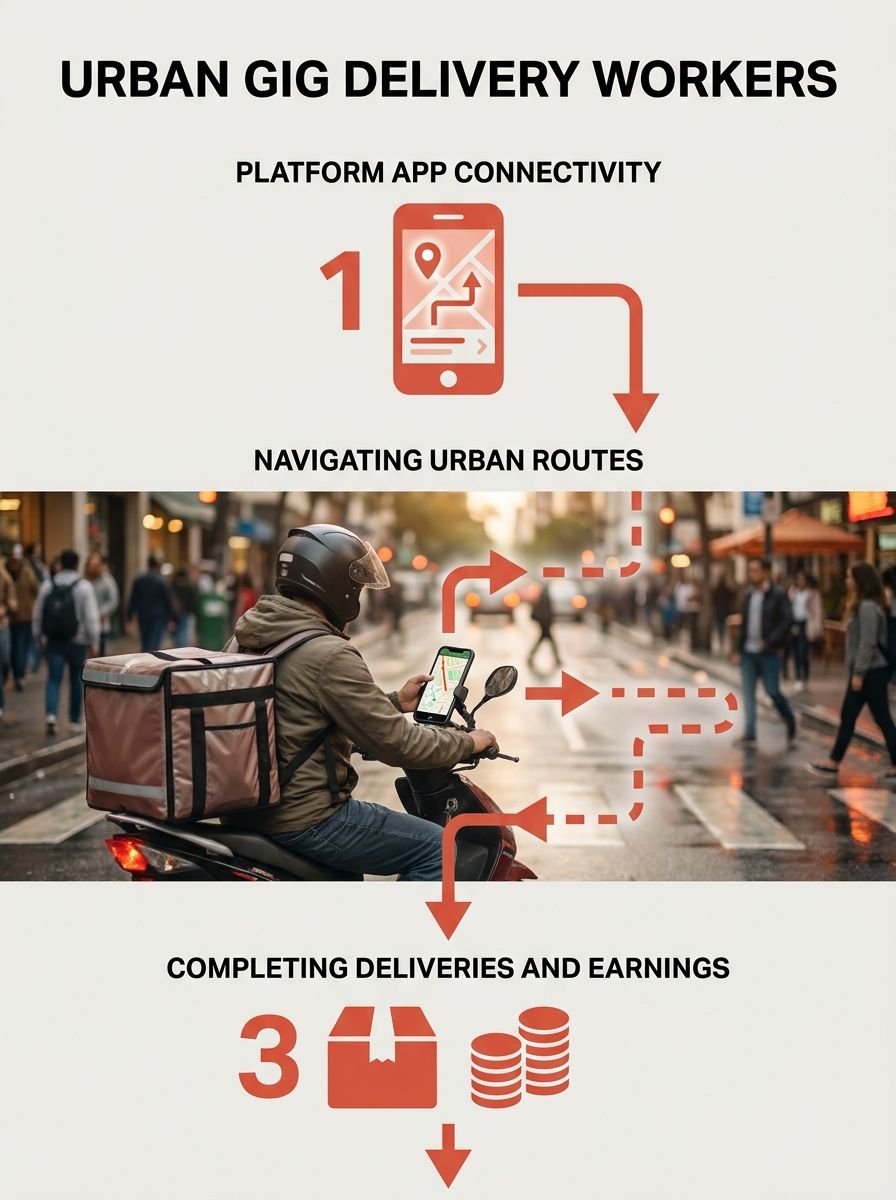
Lena Simet, senior economic justice adviser at Human Rights Watch who followed the negotiations, said the convention marks "a turning point for platform workers worldwide." The treaty would establish "the first global standard to protect their rights," Simet said in a statement released after the vote.
Worker Classification Dispute Reaches International Stage
The employment status question sits at the convention's core. Platforms typically classify workers as independent contractors despite exercising control over task assignment, pricing, and performance evaluation—factors that traditionally define employer-employee relationships under labor law.
This classification dispute has generated litigation across multiple countries. U.S. courts have issued conflicting rulings on whether algorithm-directed workers qualify as employees. California's Assembly Bill 5 attempted statutory reclassification before voters approved Proposition 22, which carved out platform company exemptions. The United Kingdom's Supreme Court ruled in 2021 that Uber drivers qualify as workers entitled to minimum wage and holiday pay.
The ILO convention sidesteps domestic classification battles by extending protections to platform workers regardless of legal status. This approach mirrors organizing strategies that focus on workplace power rather than regulatory definitions, similar to tactics covered in organizing frameworks that prioritize worker voice over formal recognition.
Algorithmic Management Systems Under Scrutiny
The treaty addresses algorithmic control mechanisms that platforms use to direct labor. These systems assign work, determine pay rates, monitor task completion times, and calculate performance scores that can result in account deactivation—termination by another name.
The convention requires platforms to maintain transparency around algorithmic management systems. Workers must receive explanations of how algorithms evaluate performance, what data informs those assessments, and procedures for challenging automated decisions. These provisions parallel concerns about algorithmic surveillance tools that companies deploy under safety or efficiency justifications.
The ILO operates as the only UN agency with tripartite governance—governments, employer organizations, and worker representatives each hold equal voting power among the organization's 187 member states. This structure means employer groups participated in drafting provisions that will constrain platform business models.
What This Means for Union Members
The convention provides organizing use even before domestic ratification. Platform workers can cite international labor standards when demanding recognition, challenging classification schemes, or negotiating with platforms. The treaty establishes that algorithmic control constitutes employer direction—a framework useful for campaigns targeting Amazon, Uber, DoorDash, and similar companies that insist workers are independent contractors.
Ratification timelines vary by country. The convention requires member states to submit ratification instruments to the ILO, then implement domestic legislation or regulatory changes. U.S. ratification faces Senate approval, where labor treaties historically stall. Workers should treat the convention as a campaigning tool and policy benchmark rather than expecting automatic legal protection.
Unions organizing platform workers now operate with an international standard backing demands for minimum pay, safety protections, and algorithmic transparency. That shifts framing from "special treatment" to alignment with global labor norms—a meaningful rhetorical advantage in public campaigns and legislative fights.
The Union Edge Staff
Related Articles

AFL-CIO Endorses Sectoral Bargaining for First Time as States Lead New Wave of Worker Organizing
The AFL-CIO passed a resolution at its July 2026 conference endorsing sectoral bargaining for the first time in the federation's history, according to a Time article published Wednesday.

Gig Worker Firsts: What the Victoria Uber Drivers' Historic Contract Reveals About Future Organizing Battles
On April 28, 2026, over 1,000 Uber drivers in Greater Victoria, British Columbia, voted 99% in favor of the first collective bargaining agreement ever ratified by app-based rideshare workers anywhere in the world.

Australia's Fair Work Commission Sets Minimum Pay and Insurance Standards for Gig Delivery Workers
Australia's Fair Work Commission approved minimum pay rates and personal accident insurance requirements for food and grocery delivery workers on August 12, establishing a A$31.30 ($22.
Also in the paper