
BHP Files Federal Court Case to Suppress Journalism on Coal Miner's Wage Theft Claim
BHP Group Limited filed a Federal Court application on May 6, 2026, seeking to force Australian newsroom Michael West Media to remove published content, surrender source materials, and cease reporting on a former coal worker's wage theft case, according to court documents published by the outlet. Th

BHP Files Federal Court Case to Suppress Journalism on Coal Miner's Wage Theft Claim
BHP Group Limited filed a Federal Court application on May 6, 2026, seeking to force Australian newsroom Michael West Media to remove published content, surrender source materials, and cease reporting on a former coal worker's wage theft case, according to court documents published by the outlet. The $300 billion multinational named the publication and former Mt Arthur Coal miner Simon Turner as respondents in case number NSD 752 of 2026.
The mining giant's originating application demands a permanent injunction barring the newsroom from disclosing information about a June 2024 conciliation conference, removal of a YouTube video and written article published in April 2026, disclosure of every person who received material related to the conference, and delivery of all recordings and documents to BHP's law firm MinterEllison. The case centers on Turner's claim that he received $400 per week while employed at the Hunter Valley mine when his proper compensation should have totaled $137,000 annually.
The Wage Theft Allegations Behind the Lawsuit
Turner broke his back working at BHP's Mt Arthur Coal mine in 2015 and has pursued compensation claims for years while challenging his classification and pay rate. Court filings show he was categorized as a casual worker despite performing production duties that typically command six-figure salaries in the Australian coal mining sector.
Michael West Media has published eleven articles on Turner's case since coverage began. The outlet reported that thousands of miners in New South Wales may have been similarly underpaid through casual worker classifications, with a class action lawsuit potentially forthcoming. Turner's initial court case was dismissed earlier this year without BHP being required to file a defense, and the court imposed confidentiality orders on the claim and hearing transcripts. His appeal remains pending without a scheduled hearing date.
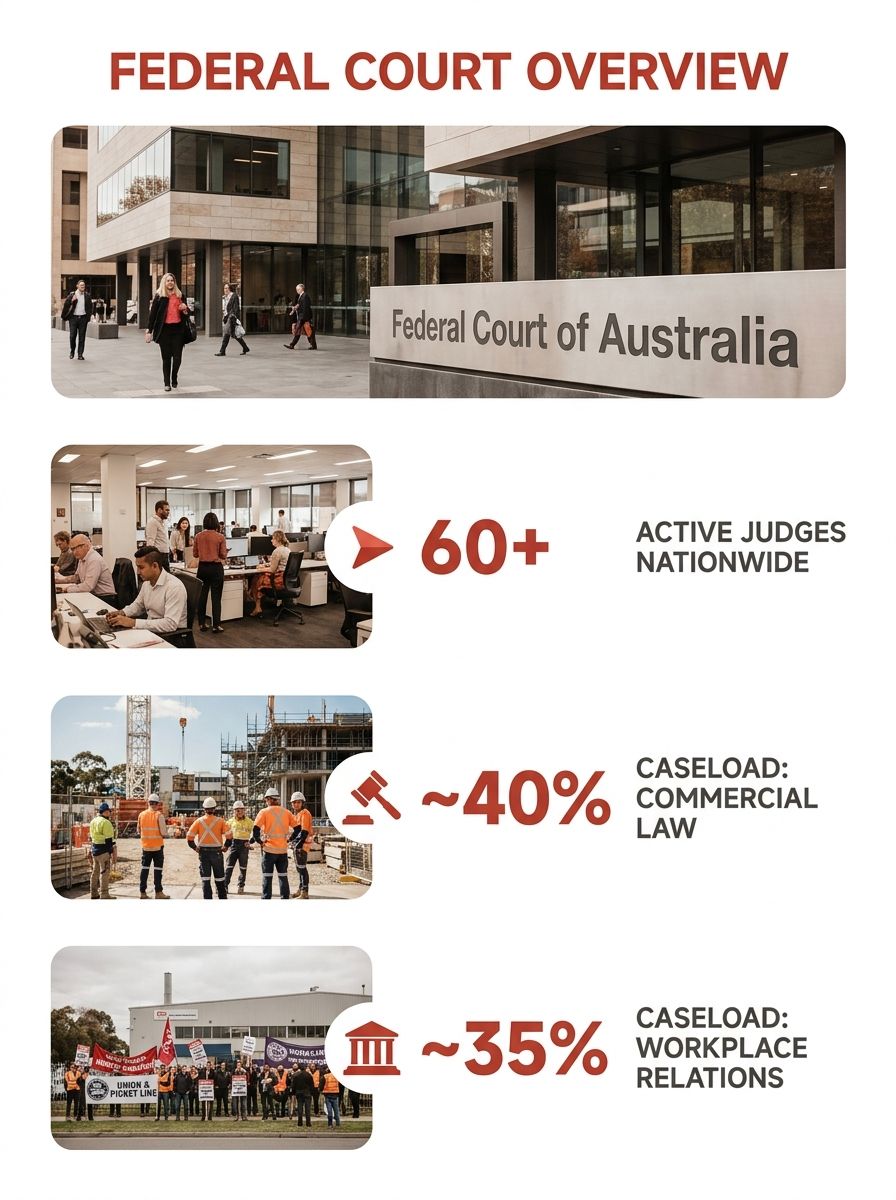
The June 2024 conciliation conference that BHP now seeks to keep confidential included representatives from both parties: BHP's general counsel and lawyers from MinterEllison faced Turner alongside counsel from Senator Malcolm Roberts' office. BHP's court application argues that information disclosed during that conference should remain permanently sealed and that any publication constitutes a breach of confidentiality obligations inherent in court-supervised conciliation processes.
Corporate Legal Strategy Targets Source Disclosure
Beyond content removal, BHP's application seeks orders compelling the newsroom to identify "every person who has ever been provided with any recording or other material relating to the conference" and describe what materials each person received. The application also demands surrender of "all originals and copies of any recording, and any other materials relating to the conference" to MinterEllison's custody.
Legal observers note these provisions extend beyond typical defamation or confidentiality remedies into source protection territory. The outlet's founder stated in the published response that compliance with the disclosure orders would compromise the newsroom's ability to protect sources on future investigations, setting a precedent for corporations to compel journalist source lists through Federal Court applications.
Similar patterns of wage theft affecting thousands of workers have prompted legislative action in multiple jurisdictions, though enforcement mechanisms remain inconsistent across Australia's state and federal systems.
Industry-Wide Classification Practices Under Scrutiny
The Mt Arthur Coal case represents one visible dispute in what labor advocates describe as systematic misclassification of mine production workers across the Hunter Valley coal fields. Industry data shows casual worker designations have proliferated in coal mining operations since 2010, with productivity workers performing the same duties as permanent employees but receiving substantially lower total compensation packages.
BHP's own sustainability reports emphasize commitment to fair labor practices and compliance with Australian workplace laws. The company has not filed public statements explaining why Turner's $400 weekly wage aligned with appropriate casual rates for his role, or why disclosure of conciliation conference details warrants Federal Court intervention to suppress journalism.
The case file shows BHP retained MinterEllison, one of Australia's largest corporate law firms, to pursue the matter. Turner represents himself in the proceedings, though he received assistance from Senator Roberts' office during the earlier conciliation phase.
Why This Matters Now
This case tests whether multinational corporations can deploy Federal Court processes to silence independent journalism on wage theft allegations affecting thousands of workers. BHP's originating application establishes a legal framework that, if successful, would allow companies to suppress reporting on confidential settlement conferences by compelling newsrooms to delete published content, surrender source materials, and identify every person who accessed information about workplace disputes.
The implications extend beyond one newsroom's coverage of one miner's claim. With class action litigation looming over casual worker misclassification across the Hunter Valley coal sector, BHP's legal strategy aims to establish precedent that conciliation conference confidentiality overrides public interest journalism even when the underlying facts involve alleged wage theft at industrial scale. If the court grants BHP's orders, corporations facing worker claims would gain a tested playbook for using confidentiality provisions to prevent media scrutiny of settlement negotiations, effectively creating a parallel system of workplace dispute resolution insulated from public accountability.
For union organizers and workers' advocates, the case demonstrates why documentation failures in employer compliance create legal vulnerabilities that corporations can exploit to control information flows. The court has not yet scheduled hearings on BHP's application, leaving the newsroom's published content accessible while the matter proceeds through Federal Court channels. Turner's appeal of the underlying wage theft dismissal remains unscheduled, with no public timeline for resolution of his compensation claim.
The Union Edge Staff
Related Articles

BHP Port Hedland Workers Stage First Strike in 26 Years Over Contract Negotiations
Workers at BHP's Port Hedland operations in Western Australia halted ship-loading operations for 24 hours on August 8 and August 9, marking the first major industrial action at the world's largest iron ore export hub since 2000, according to the Combined BHP Ports Unions.

Philippine Legal Guidance Clarifies When Workers Can Publicly Discuss Pending Labor Cases
Philippine labor law permits employees to disclose the existence of pending labor cases against their employer, but imposes strict limits on what details can be shared publicly, according to legal guidance published September 3 by Respicio, a Manila-based employment law firm.
Federal Court Blocks New York's Expansion of State Labor Board Jurisdiction
A federal judge issued a permanent injunction on July 20, 2026, barring New York State from enforcing a 2025 law that expanded the state labor board's authority over private-sector workplace disputes, ruling that federal law grants the National Labor Relations Board exclusive jurisdiction over such
Also in the paper