
Rockstar Games Faces Full Tribunal Hearing Over Alleged Union Blacklisting
An employment tribunal rejected Rockstar Games' attempt to dismiss blacklisting allegations from a union-busting case, clearing the way for a full hearing scheduled to run from September 10 through October 15, 2026, according to The Register. The Independent Workers' Union of Great Britain (IWGB) br

Rockstar Games Faces Full Tribunal Hearing Over Alleged Union Blacklisting
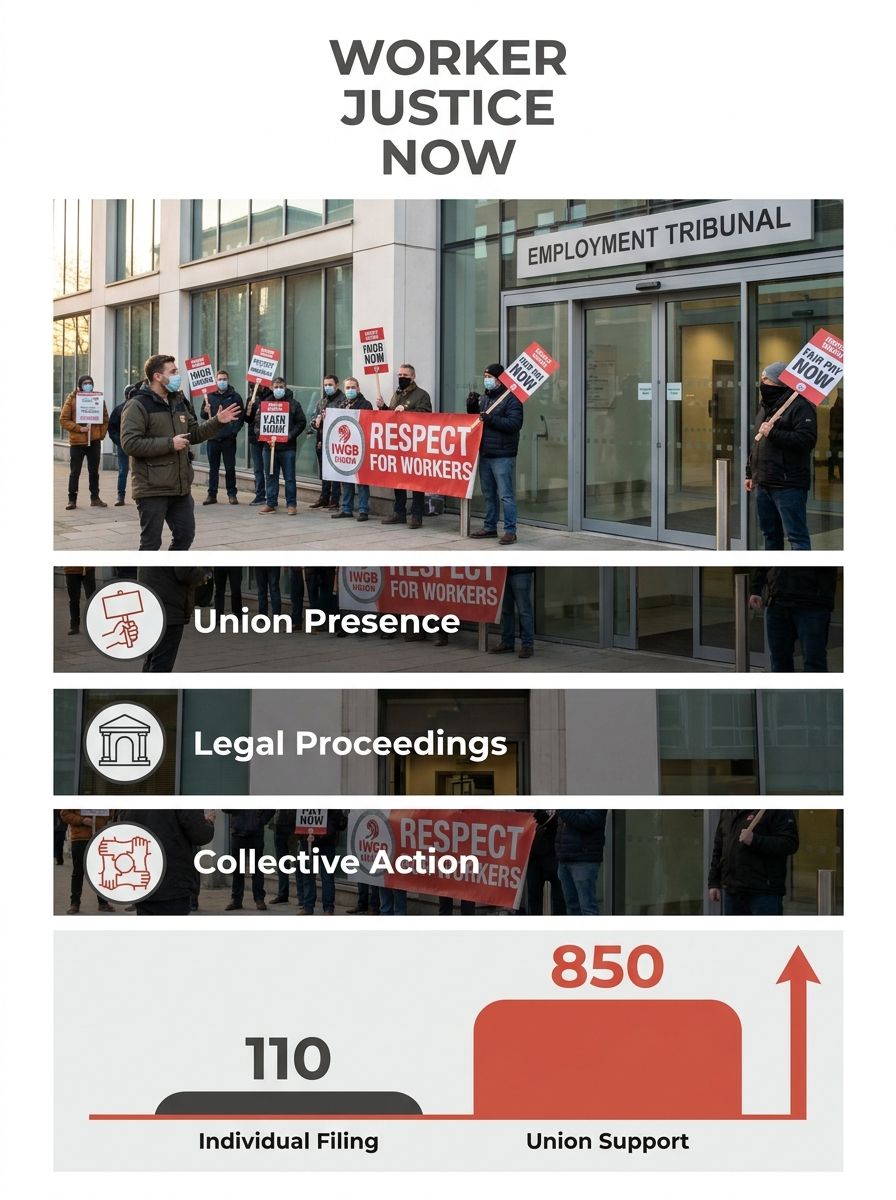
An employment tribunal rejected Rockstar Games' attempt to dismiss blacklisting allegations from a union-busting case, clearing the way for a full hearing scheduled to run from September 10 through October 15, 2026, according to The Register. The Independent Workers' Union of Great Britain (IWGB) brought the case on behalf of 31 members who were dismissed in October 2025, alleging the video game developer systematically identified and targeted workers for union activity.
The tribunal's ruling represents a significant procedural defeat for the Grand Theft Auto developer, which had sought to have the blacklisting claims struck from the proceedings before a final hearing. The scheduled tribunal dates fall shortly before the anticipated launch of Grand Theft Auto VI, the company's most high-profile release in over a decade.
The Tribunal Ruling
The employment tribunal denied Rockstar Games' motion to strike blacklisting allegations from the case, a procedural maneuver that would have narrowed the scope of evidence the IWGB could present at the final hearing. Blacklisting, as defined under UK employment law, involves compiling information about workers engaged in union activities to facilitate discrimination in hiring, promotion, or termination decisions.
An IWGB spokesperson said the union will argue at the final hearing that Rockstar identified and targeted workers specifically because of their trade union membership and activities, including through the use of what the union describes as a physical or mental blacklist. The tribunal will make findings on these allegations during the September-October proceedings.
Rockstar Games declined to comment on the ongoing legal matter when contacted by The Register.
Background on the Dismissals
The legal dispute stems from the sudden termination of 31 IWGB members on a single day in October 2025. The dismissed workers had been part of a private Discord channel where they discussed workplace improvement strategies, according to the union. An anonymous source told The Register that management summarily fired the staff after becoming aware of the channel's existence.
At the time of the dismissals, a spokesperson for Take-Two Interactive, Rockstar's parent company, characterized the terminations as based on "gross misconduct, and for no other reason." The statement emphasized the company's commitment to "positive work environments" and said the company "fully support[s] Rockstar's ambitions and approach."
Ellie Dunstan, one of the workers terminated last year, described the tribunal ruling this week as "a huge moment." Dunstan said Rockstar management had treated the dismissed workers "with disdain" since the October firings. "We loved our work at Rockstar," Dunstan said. "Losing our passion, our colleagues, and our incomes in the blink of an eye was devastating."
Pattern of Anti-Union Activity in Tech and Gaming
The Rockstar case arrives as tech sector employers face mounting scrutiny over their responses to unionization efforts. Video game development studios in particular have confronted persistent criticism over "crunch" practices—extended mandatory overtime periods in the run-up to major releases—that worker advocates argue create conditions ripe for organizing.
The dismissal of 31 union members on a single day, if proven to be retaliatory, would represent one of the largest alleged mass firings tied to union activity in the UK gaming industry. The IWGB has framed the case as a test of whether game developers can use broad "misconduct" justifications to purge organizing workers without legal consequence.
The timing of the tribunal hearing, concluding just weeks before GTA VI's anticipated release, ensures the proceedings will unfold during a period of maximum public attention on Rockstar's operations and workplace practices.
What Happens Next
The employment tribunal will convene on September 10 and is scheduled to run through October 15, giving both sides five weeks to present evidence and testimony. The IWGB will need to demonstrate that Rockstar maintained some form of blacklist—whether a physical document, digital database, or institutional knowledge among managers—that was used to identify and target union members for dismissal.
If the tribunal finds in favor of the dismissed workers, remedies could include compensation for lost wages, reinstatement orders, or a declaratory judgment that the dismissals were discriminatory. A ruling against Rockstar would also set a precedent for other UK gaming-sector unions pursuing unfair labor practice claims based on blacklisting allegations.
For organizers watching the case, the tribunal's willingness to let the blacklisting claims proceed signals that UK employment courts are prepared to examine employer anti-union tactics beyond simple retaliation theories, potentially opening the door to broader discovery of internal communications and management practices during organizing drives.
The Union Edge Staff
Related Articles

Amazon Must Rehire Worker Fired for Union Activity, NLRB Judge Rules
A National Labor Relations Board judge ruled Friday that Amazon.com Services LLC violated federal labor law by interrogating employees about union organizing and firing a worker during a campaign at a San Francisco warehouse, ordering the company to reinstate the employee with back pay.
Eleven Greenlight Dispensary Workers in Missouri Allege Firing for Union Organizing
Eleven employees at a Greenlight Dispensary in Springfield, Missouri, were terminated in late September 2026 after meeting to discuss unionization, according to statements the workers gave to local media.

BHP Files Federal Court Case to Suppress Journalism on Coal Miner's Wage Theft Claim
BHP Group Limited filed a Federal Court application on May 6, 2026, seeking to force Australian newsroom Michael West Media to remove published content, surrender source materials, and cease reporting on a former coal worker's wage theft case, according to court documents published by the outlet. Th
Also in the paper