
Amazon Launches Internal Probe After Fire Kills Two Workers at Partner Facility in India
Amazon initiated an internal investigation after a June 5 fire at a third-party delivery partner facility in Uttarakhand, India, killed two workers, according to a Reuters report published July 3. Police findings show the M&M Logistics Solutions facility lacked a valid fire safety clearance and esse

Amazon Launches Internal Probe After Fire Kills Two Workers at Partner Facility in India
Amazon initiated an internal investigation after a June 5 fire at a third-party delivery partner facility in Uttarakhand, India, killed two workers, according to a Reuters report published July 3. Police findings show the M&M Logistics Solutions facility lacked a valid fire safety clearance and essential safety infrastructure including fire alarms, smoke detectors, and a proper emergency exit.
The e-commerce company stated it would determine "appropriate action" in accordance with internal policies after local authorities complete their investigation. People familiar with the matter told Reuters that Amazon has begun an independent review alongside the official probe.
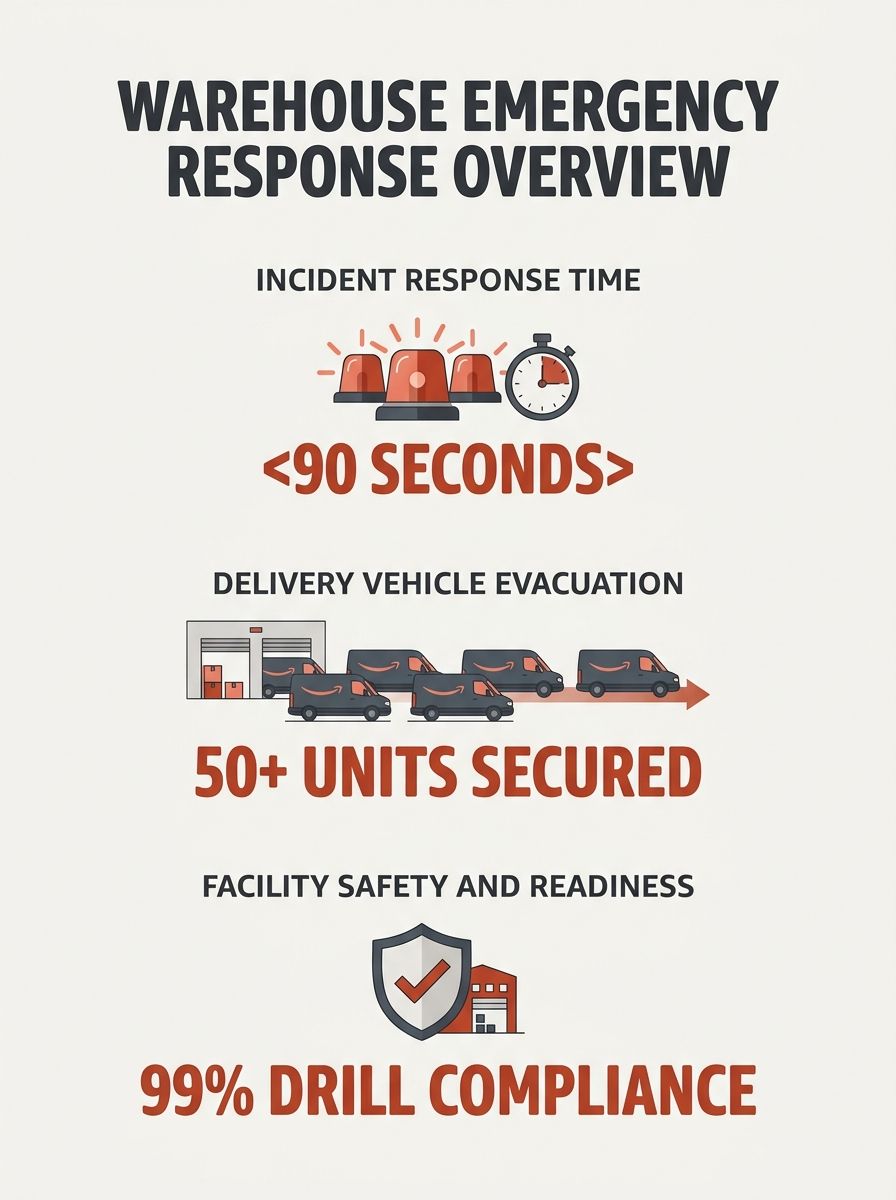
Safety Violations at Third-Party Logistics Facility
Police findings reviewed by Reuters revealed M&M Logistics Solutions operated the facility without required fire safety infrastructure. The premises allegedly had no valid fire safety clearance at the time of the fatal incident.
M&M Logistics Solutions operates dozens of Amazon delivery centers across northern India. The company functions as an independent logistics partner but operates under Amazon's supplier code of conduct, which requires vendors to maintain safe working conditions and comply with workplace safety standards.
Amazon's vendor policy allows the company to suspend or terminate partnerships when vendors violate safety requirements. The policy establishes responsibility for workplace safety standards at contractor-operated facilities that support Amazon's delivery network.
Union Demands Independent Investigation
The Amazon India Workers Union called for a judicial inquiry into the incident, characterizing the deaths as a serious workplace safety failure. The union urged authorities to examine whether adequate safety measures existed at the facility before the fire.
The incident renewed scrutiny of workplace safety practices across third-party logistics operations supporting India's e-commerce sector. Third-party delivery partners handle significant portions of last-mile logistics for major e-commerce platforms while operating under varying oversight frameworks.
Amazon faced labor-related scrutiny in India during 2025 over allegations concerning working conditions during an extreme heatwave. The company has maintained that employee health and workplace safety remain operational priorities.
Contractor Safety Enforcement Gap
The fatal fire exposed enforcement gaps in safety oversight of third-party logistics facilities. While Amazon's supplier code establishes safety requirements, the actual enforcement mechanism relies on periodic audits and incident-triggered investigations rather than continuous monitoring.
Third-party logistics partners operate under a contractual relationship that places primary legal responsibility on the contractor while brand reputation consequences fall on the platform company. This structure creates accountability questions when fatal workplace incidents occur at facilities serving major e-commerce brands.
Amazon stated it will take further action after authorities complete their investigation into the Uttarakhand incident. The company did not specify whether M&M Logistics Solutions faces immediate operational restrictions or suspension pending investigation results.
Policy Implications
The Uttarakhand fatalities demonstrate how rapid e-commerce growth outpaces safety infrastructure development in contractor-operated facilities. Platform companies establish supplier conduct codes but enforcement depends on audit frequency and incident response rather than preventive compliance verification. Workers' rights advocates argue this creates a two-tier safety system where contractor employees face higher risks than direct-hire workers while brand accountability remains ambiguous.
Union organizers can use these incidents to build support for direct employment models that place safety responsibility on the platform company rather than on undercapitalized third-party contractors. The Amazon India Workers Union's demand for judicial inquiry establishes a template for escalating contractor safety failures beyond internal corporate investigations. This approach frames safety infrastructure gaps as systemic enforcement failures rather than isolated operational lapses.
Labor advocates should monitor whether Amazon implements mandatory safety certification requirements for delivery partner facilities or maintains the current incident-response model. The gap between written supplier codes and actual enforcement creates organizing opportunities around contractor working conditions across the logistics sector.
The Union Edge Staff
Related Articles

Workplace Safety Failures Kill 30 Workers Across Three Countries in Four-Day Span
At least 30 workers died in workplace accidents across Greece, China, and the United States between July 9 and July 12, 2026, prompting regulators to impose safety penalties exceeding half a million dollars and order operational shutdowns at facilities in three countries, according to enforcement fi

Criminal Charges Filed Against Contractor and Metro Officials After 70-Year-Old Worker Dies in Electrocution at Bengaluru Construction Site
Bengaluru police filed criminal negligence charges on June 29 against a contractor, site supervisors, and Bengaluru Metro Rail Corporation Limited officials following the electrocution death of Gurappa P., a 70-year-old contract worker, at a Namma Metro construction site on M.G. Road three days earl

Amazon Must Rehire Worker Fired for Union Activity, NLRB Judge Rules
A National Labor Relations Board judge ruled Friday that Amazon.com Services LLC violated federal labor law by interrogating employees about union organizing and firing a worker during a campaign at a San Francisco warehouse, ordering the company to reinstate the employee with back pay.
Also in the paper