
More Than Two-Thirds of Ohio Nurses Experienced Workplace Violence in Past Year, New Report Finds
Nearly 69 percent of direct care nurses in Ohio experienced workplace violence, including verbal abuse, threats, or physical assault, in the past 12 months, according to the Registered Nurses Association of Ohio's 2026 Workplace Safety Report released today.

More Than Two-Thirds of Ohio Nurses Experienced Workplace Violence in Past Year, New Report Finds
Nearly 69 percent of direct care nurses in Ohio experienced workplace violence, including verbal abuse, threats, or physical assault, in the past 12 months, according to the Registered Nurses Association of Ohio's 2026 Workplace Safety Report released today. The report, which surveyed nurses across the state, found that 63.62 percent of direct care staff consider workplace violence an ongoing and serious concern, marking a sharp escalation in safety issues that union leaders say hospitals continue to downplay as routine occupational hazards.
Emily Kraft, a flight nurse and union member with the Registered Nurses Association of Ohio, described an incident in which a patient's mother physically pushed her to the ground during a mental health crisis and attempted to strike her. Kraft said the hospital's immediate response focused on whether she had retaliated rather than addressing her safety or implementing prevention measures. "The thing I want to emphasize is this is not a unique or isolated experience," Kraft said. "Every single day, there are attacks on healthcare workers."
The report's findings align with national data showing violence against nurses has increased steadily since the COVID-19 pandemic. A 2023 Press Ganey report documented 16,975 physical assaults against nurses nationally, a 5 percent increase from the previous year. The American Association of Critical-Care Nurses estimates that up to 82 percent of emergency department nurses experience physical assaults on the job.
Violence Concentrated in Emergency and Intensive Care Units
Emergency departments and intensive care units report the highest incidence of nurse-directed violence, according to Laurie Conkright, senior vice president of nursing at St. Elizabeth Healthcare, the largest healthcare provider in Northern Kentucky. "Those are definitely areas where you typically have scenarios that are critical or emergent," Conkright told LINK nky. "Anxiety is high, patients are fearful. Those can be the scenarios that lead to that type of behavior."
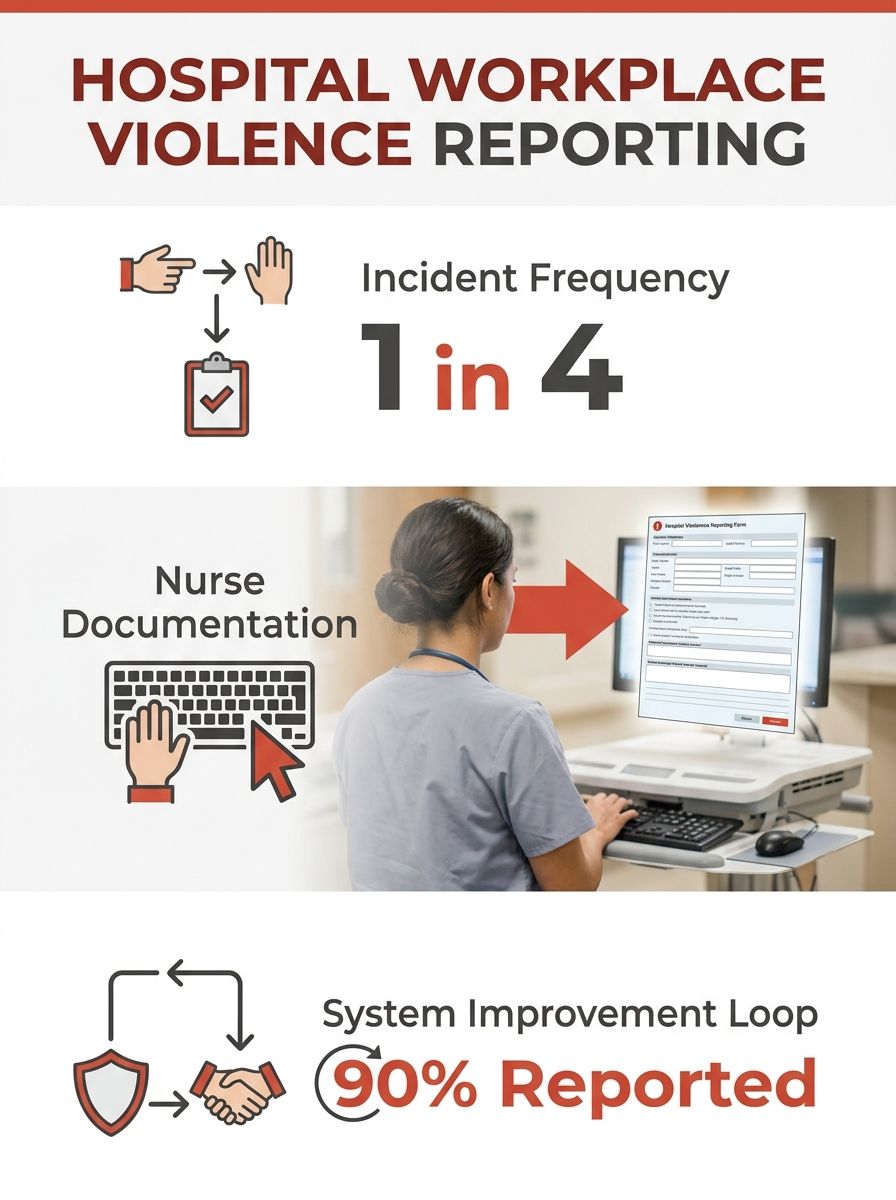
Kylee Ham, a registered nurse in the emergency department at the University of Cincinnati Medical Center and president of the Registered Nurses Association, said the problem is significantly underreported because many nurses view violence as inherent to the profession. "It's extremely common," Ham said. "A lot of nurses feel like it's part of the job, or they don't always report the incidents because it's an extra step of charting and filling out paperwork."
The physical environment of emergency departments compounds the problem, Ham noted. Patients admitted to ERs often wait for hours in loud, brightly lit spaces with constant activity, creating conditions that can escalate agitation in individuals experiencing trauma, mental illness, intoxication, or dementia. Gene Barber, St. Elizabeth's senior vice president of facilities, identified dementia patients as a particularly vulnerable group who may lash out due to confusion about their surroundings.
Twelve-Hour Shifts Boost Mental Health Toll
The standard 12-hour nursing shift intensifies the impact of workplace violence, union representatives said. Ham described nurses enduring sustained verbal abuse, racial slurs, sexual harassment, and physical threats throughout extended shifts, leading to accelerated burnout rates. "All those things weigh on you," Kraft said. "We're in this job to do everything we can for people, no matter what their problems are."
Kraft said the inability to provide adequate care due to safety concerns creates what she calls moral injury among nursing staff. The tension between professional duty and self-preservation contributes to broader questions about the sustainability of nursing as a career path in the United States, she added.
Similar safety concerns have driven recent healthcare labor actions across the country. Massachusetts nurses launched the state's largest healthcare strike over stalled wage talks, while UMass University Campus nurses voted 99 percent to authorize a 14-day strike over staffing and safety concerns. Workplace safety failures in other sectors have similarly prompted regulatory intervention and worker organizing efforts.
Hospital Response Focus on Liability, Not Prevention
Union members criticized hospital management responses to violence incidents as prioritizing legal liability over nurse safety. Kraft's experience exemplifies a pattern in which administrators investigate whether staff retaliated against aggressive patients rather than implementing systemic safety improvements. The emphasis on institutional protection rather than worker protection has become a central issue in union organizing drives within healthcare facilities, according to registered nurse representatives.
Ham said eroding public trust in the U.S. healthcare system contributes to elevated anxiety levels among patients entering emergency departments. A JAMA Network investigation found that trust in physicians and hospitals has decreased substantially in recent years, adding another layer of tension to already stressful clinical encounters. Combined with insurance denials and medical billing concerns, these systemic pressures create volatile situations that nurses must navigate without adequate institutional support, Ham noted.
Why This Matters Now
The 68.72 percent workplace violence rate documented in Ohio's 2026 report provides quantifiable evidence for union demands that hospitals implement stronger safety protocols, adequate staffing ratios, and mental health support for nursing staff. As healthcare systems continue to face post-pandemic strain, the data arms union organizers with specific metrics to challenge management claims that violence is an unavoidable aspect of patient care rather than a systemic failure requiring institutional intervention.
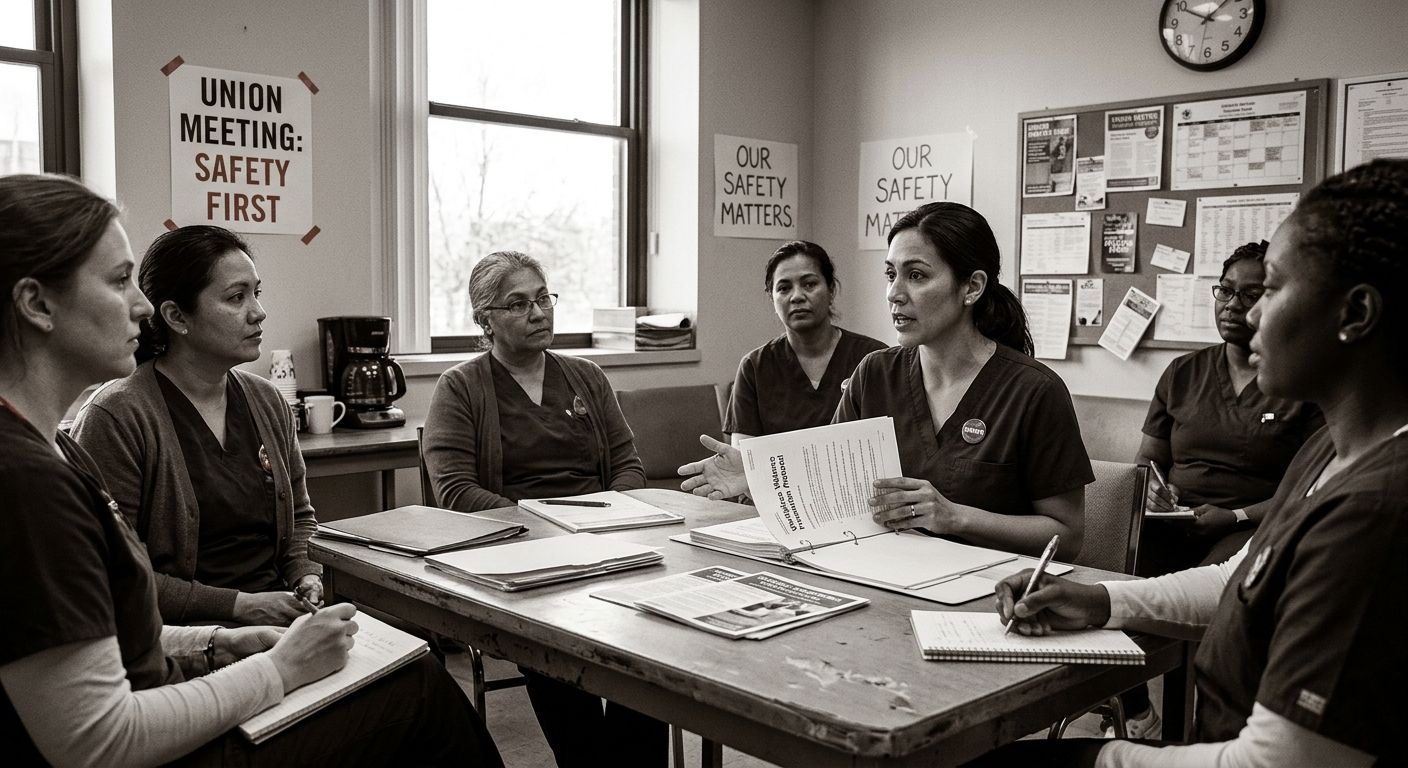
The concentration of violence in emergency and intensive care settings, where nurses face physical assault rates approaching 82 percent, creates clear targets for collective bargaining around hazard pay, security staffing, and environmental design changes. Union leaders are positioning workplace safety alongside wages and staffing ratios as non-negotiable contract demands, using the combination of state-level survey data and national assault statistics to pressure hospital administrators who have historically dismissed violence as part of the job.
For healthcare workers considering union organizing, the normalized acceptance of workplace violence that Ham and Kraft describe represents both a mobilizing issue and a cautionary tale about employer priorities. The pattern of hospital responses focusing on legal liability rather than nurse protection demonstrates the need for contract language that mandates specific safety interventions, incident reporting transparency, and consequences for management failures to address known hazards.
The Union Edge Staff
Related Articles

Hospital Workers Strike Over Workplace Violence as Injury Rates Hit Seven Times National Average
Hundreds of hospital workers at Henry Ford Genesys Hospital in Michigan have been on strike since September 1, 2025, with workplace violence and chronic understaffing at the center of their demands, according to NPR.

UMass University Campus Nurses Vote 99 Percent to Authorize 14-Day Strike Over Staffing and Safety Concerns
Registered nurses at UMass Memorial Medical Center's University Campus voted 99 percent in favor of authorizing a 14-day strike on July 1, escalating a contract dispute over staffing ratios, workplace safety, and retention issues at Massachusetts' only academic Level 1 Trauma Center, according to th

UnityPoint Nurses Turn to Lawmakers After Employer Delays Union Certification
Nurses at UnityPoint Health in Des Moines, Iowa, met with state and federal lawmakers this week to discuss delayed union certification nearly one year after voting to join Teamsters Local 90, according to a statement from the union. The employer has filed objections that have prevented the National
Also in the paper