
Golf Caddies at Pebble Beach Win First-Ever Union Election in Industry
Approximately 390 golf caddies at Pebble Beach golf course in Monterey, California, voted 307-35 in favor of union representation last month, becoming the first unionized caddies in the golf industry, according to The Nation.

Golf Caddies at Pebble Beach Win First-Ever Union Election in Industry
Approximately 390 golf caddies at Pebble Beach golf course in Monterey, California, voted 307-35 in favor of union representation last month, becoming the first unionized caddies in the golf industry, according to The Nation. The caddies joined United Food and Commercial Workers Local 5 after management reclassified them from independent contractors to employees and cut their effective pay by seizing 45-50 percent of bag fees, up from 13 percent under the previous arrangement.
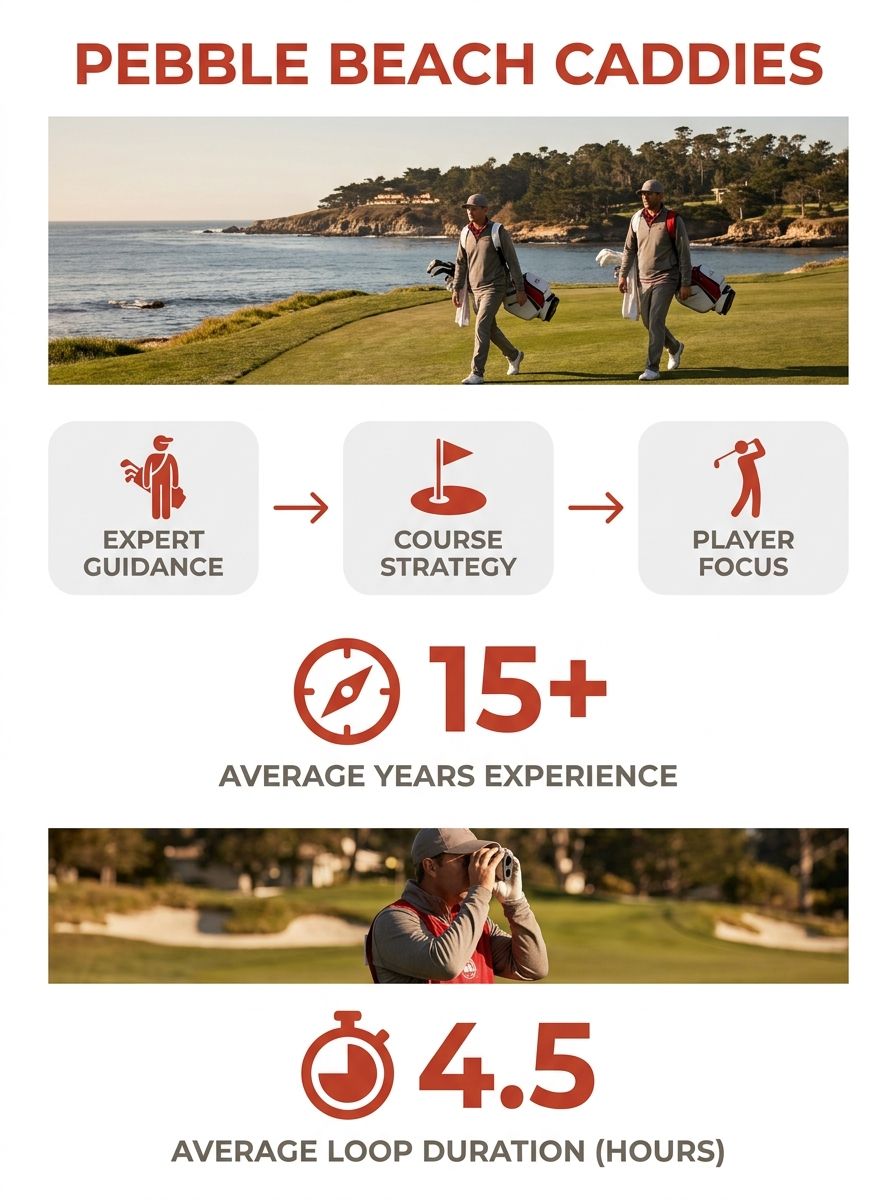
The organizing victory follows a corporate restructuring that upended a decades-old worker-run system at the seaside resort, which hosts annual PGA Tour events and periodic US Opens. Pebble Beach contracts with CaddieMaster—owned by Troon, the world's largest golf hospitality management company—to manage its caddie program.
Management Reclassification Triggered Organizing Drive
Pebble Beach caddies operated as independent contractors for years under a quasi-union structure. Seven caddies served on a Liaison Board that met with CaddieMaster management several times annually to negotiate contracts. Workers retained 87 percent of bag fees—the price golfers pay for caddie services—and maintained control over their schedules, including the ability to take time off or pick up walk-up shifts allocated by seniority.
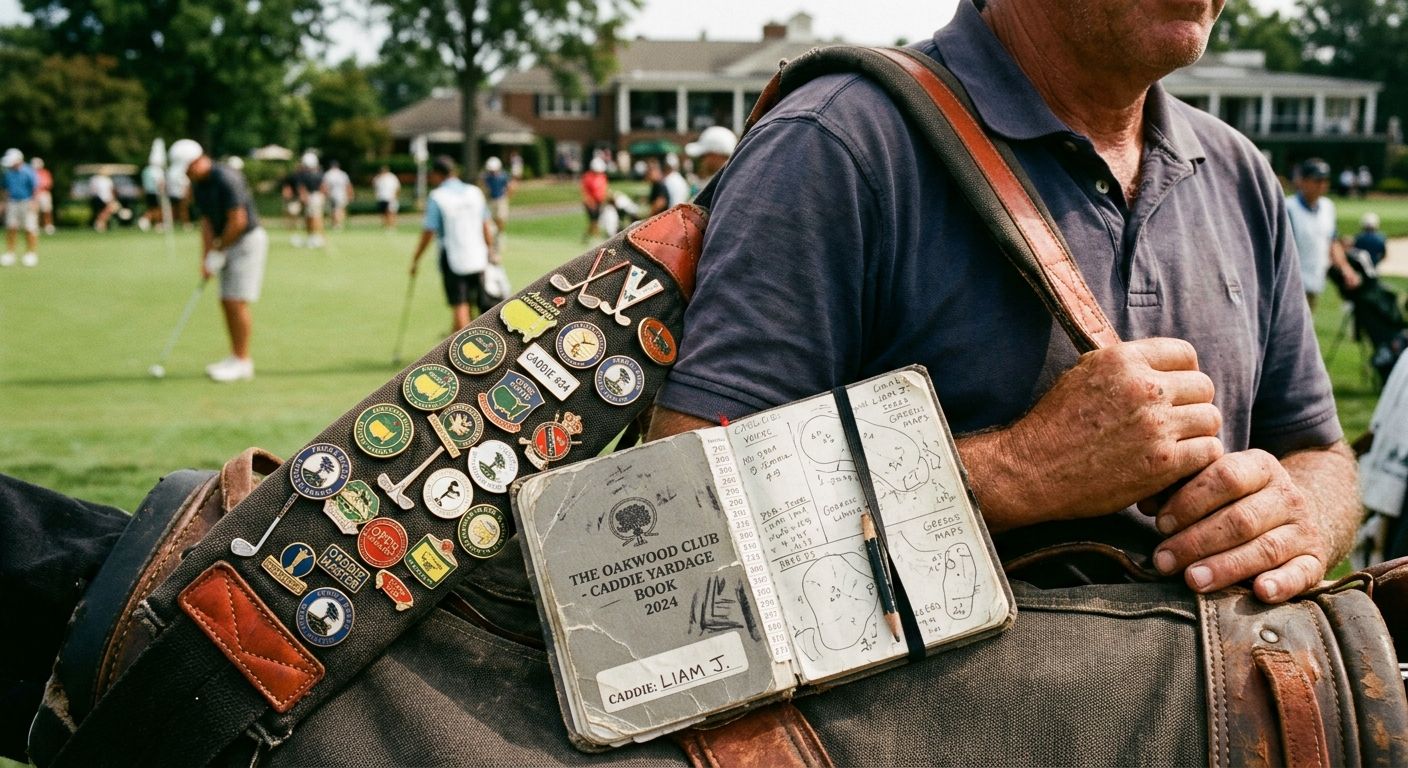
"Once you get a job here, you never leave," Justin Kipina, a 20-year caddie who ranks #42 on the seniority list, told The Nation. The longest-tenured caddie has worked at Pebble Beach for nearly 50 years. Under the contractor model, caddies earned six-figure salaries combining bag fees and tips from clients while preserving scheduling flexibility.
Private equity investors' acquisition of golf-related companies, including Troon, prompted a shift toward employee classification. Management dissolved the Liaison Board and implemented a new system in which the company now takes 45-50 percent of bag fees—while simultaneously raising both bag fees and greens fees for golfers. The reclassification also imposed rigid scheduling requirements and new workplace rules that eliminated workers' autonomy over their shifts.
Union Campaign Faced Coordinated Opposition
Management deployed multiple union-busting tactics after caddies began organizing. The company held mandatory captive-audience meetings where supervisors warned workers against unionization, according to the union filing. Managers conducted one-on-one meetings to pressure individual caddies, and some workers reported receiving threats about their employment status if the union campaign succeeded.
Will Benson, a caddie with 13 years at Pebble Beach who also works as a blues rock musician, described building long-term relationships with repeat clients. "I've stayed at people's homes, their kids have stayed at my house, I've met their parents, they've seen my band play," Benson said. He explained that management's restructuring threatened not only workers' livelihoods but also the personalized service model that made Pebble Beach distinct.
The 307-35 vote margin suggests the anti-union campaign failed to sway most workers. The National Labor Relations Board certified the election results in June 2026, giving UFCW Local 5 exclusive bargaining rights for the unit.
Caddies Seek to Restore Pay and Autonomy
In upcoming contract negotiations, the newly formed union plans to address the dramatic reduction in workers' take-home pay and the elimination of scheduling flexibility. Before reclassification, caddies maintained a seniority-based system for shift allocation that allowed veteran workers first choice of assignments while giving newer caddies opportunities for walk-up work.
The organizing drive gained momentum after multiple rounds of management "phases" implementing the employee structure. Each phase introduced new restrictions: first the pay cuts, then scheduling changes, then undermining of the seniority system that had governed shift assignments for decades. Workers reported that management began scheduling caddies in predetermined blocks rather than honoring the longstanding seniority queue.
California's AB5 legislation, passed in 2019 to reclassify many independent contractors as employees, initially excluded golf caddies after industry lobbying. Members of the Liaison Board had voiced their preference to remain independent contractors at that time. The subsequent voluntary reclassification by management—driven by private equity ownership rather than legal requirements—produced the opposite of what workers had sought to preserve.
What This Means for Union Members
The Pebble Beach victory demonstrates how corporate ownership changes can create organizing opportunities even in workplaces with no union history. When private equity investors restructured compensation and eliminated worker autonomy, caddies who had previously opposed employee status recognized that collective bargaining offered the only path to restore their economic position and workplace control.
The campaign's success despite coordinated management opposition provides a concrete example for organizers in service sectors where employers misclassify workers or impose unilateral changes to long-established arrangements. The 89.7 percent vote margin suggests that clear economic harm—the 32-37 percentage-point increase in the company's take of bag fees—can override anti-union messaging when workers understand exactly what they stand to gain through negotiations.
UFCW Local 5 now faces the task of bargaining a first contract that addresses both compensation and the scheduling autonomy that made caddie work sustainable for decades. Whether the union can restore elements of the worker-run Liaison Board system within an employee framework will test whether collective bargaining can replicate or improve on informal worker organizations that management chooses to dismantle.
The Union Edge Staff
Related Articles

Examples of Collective Bargaining Success
At nearly 3am on November 25, 2024, graduate workers at the University of Minnesota and university administrators finalized a tentative first collective bargaining agreement after more than 30 hours of continuous mediation over two days, according to UE News.

Card Check vs. NLRB Election: Which Recognition Path Gives Unions a Better Chance in 2025?
Signed authorization cards, not secret ballot elections, are now the National Labor Relations Board's preferred method for establishing union representation. The NLRB's August 2023 Cemex decision made majority sign-up the primary recognition path.
AutoZone Workers in White Plains Push for First Union as Company Spends $200,000 Fighting Campaign
Eleven workers at an AutoZone store in White Plains, New York, will vote beginning September 25 on whether to join United Auto Workers Local 259 and form the first union at the nation's largest auto parts retailer, according to reporting in The Guardian.
Also in the paper